Medicine Buddha mantra: Sanskrit text, meaning and use
A phrase of a few words, recited for more than a thousand years: here is what each of its words means.
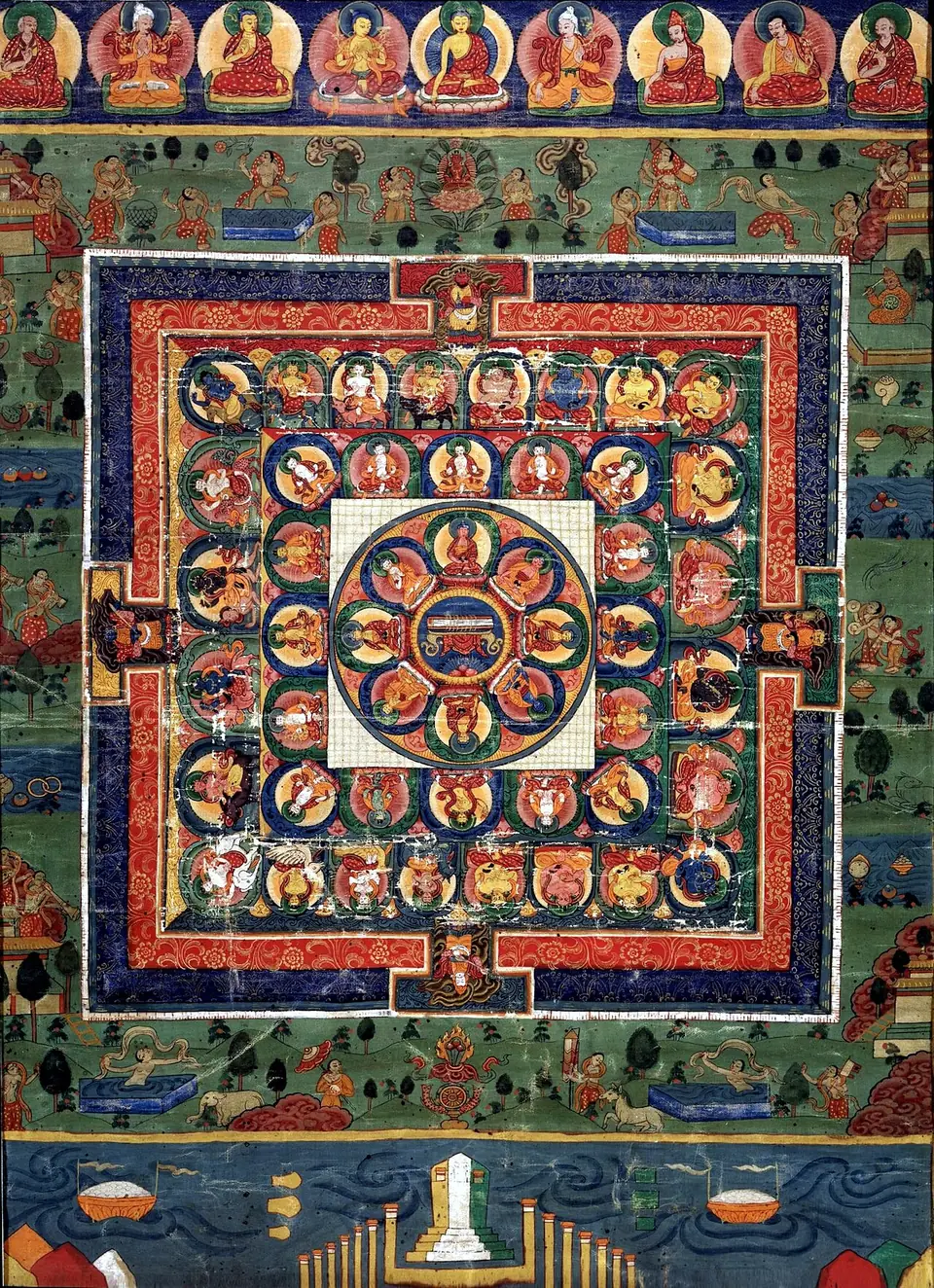
The short Medicine Buddha mantra is one of the most recited in Tibetan Buddhism. There is also a long version (dhāraṇī), in the middle of the sūtra: Śākyamuni tells how the Medicine Buddha, in meditative concentration, proclaimed it from a light that shone from the crown of his head, for the good of those who call on him. Here you will find its words, what they mean and how they are pronounced.
The text
In Sanskrit: tadyathā oṃ bhaiṣajye bhaiṣajye mahābhaiṣajye bhaiṣajyarāja samudgate svāhā.
In Tibetan pronunciation, one often hears: “Tayata om bekandze bekandze maha bekandze radza samudgate soha”. In Japan and China, people more often recite the Buddha’s name, or a transcription of the dhāraṇī in Chinese characters.
Word by word
- tadyathā: “thus”, a formula that introduces the mantra.
- oṃ: sacred opening syllable.
- bhaiṣajye, bhaiṣajye: “remedy, remedy”.
- mahābhaiṣajye: “great remedy”.
- bhaiṣajyarāja samudgate: “king of remedies, risen” or “arisen”.
- svāhā: closing formula, “so be it”.
The exact translation is debated: mantras are first of all transmitted sounds, before they are sentences. Teachers distinguish the literal meaning from what the practice aims to awaken.
A remedy for the mind
In the Buddhist reading, the “remedy” of the mantra is first the remedy for the three poisons: desire, anger, ignorance. Illnesses of the body are sufferings the Buddha recognises, but treating them is not what the mantra promises. See the article on spiritual health.
In practice
In the tradition, the mantra is recited with a mala, visualising the blue Buddha, and the recitation is dedicated to the good of all beings. Teachers remind us that it is a spiritual practice and not a treatment. To hear the mantra, see the music & mantras section; to learn the practice from a teacher, see Services. The course of a session is explained in daily practice.
The long version (dhāraṇī)
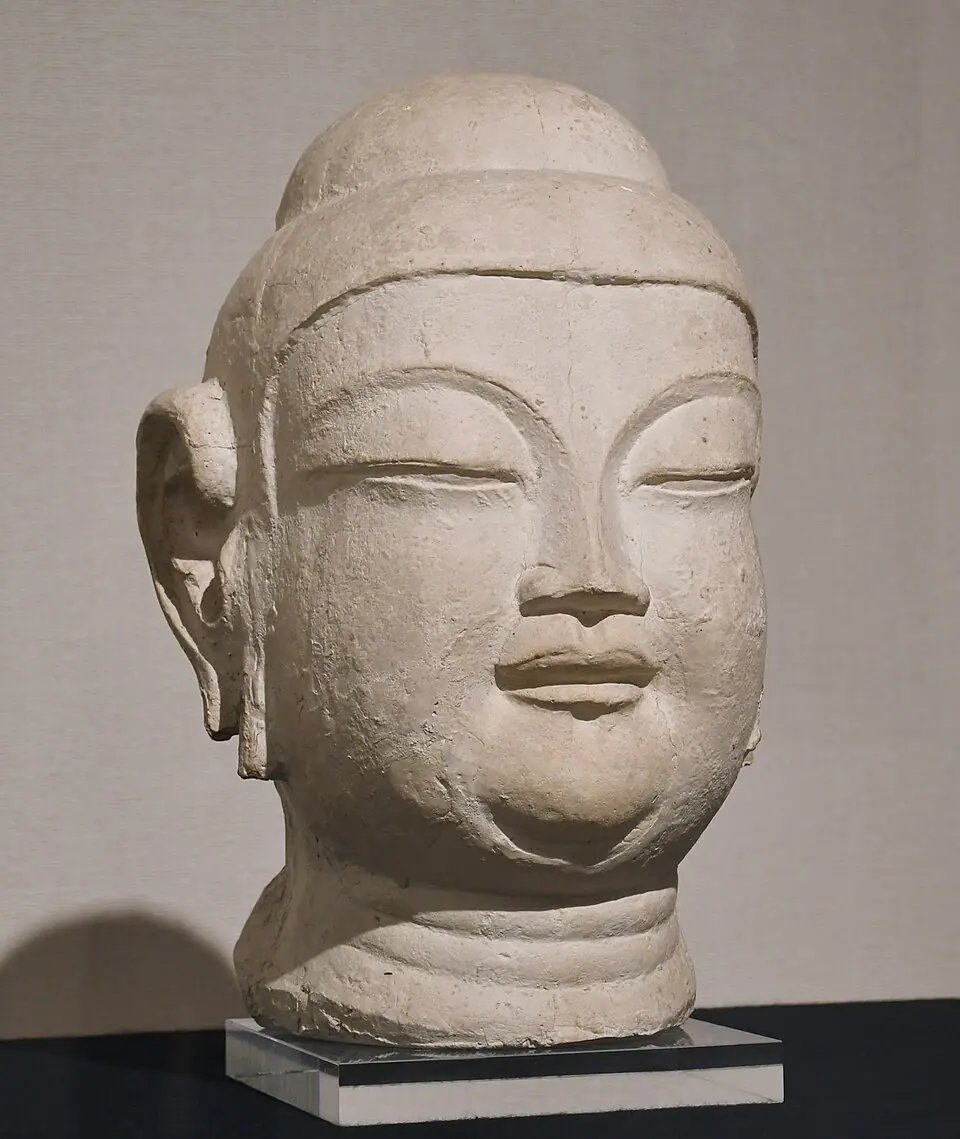
The full dhāraṇī opens with homage to the Buddha: “namo bhagavate bhaiṣajyaguru-vaiḍūrya-prabha-rājāya tathāgatāya arhate samyaksaṃbuddhāya”, that is, “homage to the Blessed One, master of remedies, king of lapis lazuli light, the Thus-Gone, the worthy one, the perfectly awakened”. Then comes “tadyathā oṃ bhaiṣajye… svāhā”, which forms the short mantra. Editions differ slightly from one lineage to another, which is normal for a text first passed on orally and then copied for centuries.
Country by country
- Tibet, Mongolia, the Himalaya: the short mantra, pronounced the Tibetan way (“bekandze”), is the most widespread; it is often carved on mani stones or printed on prayer flags.
- China, Taiwan, Vietnam: people recite the name, “Namo Yaoshi Liuliguang Rulai” (南無藥師琉璃光如來), or the dhāraṇī transcribed in Chinese characters, known as 藥師灌頂真言.
- Japan: in the Shingon school, the short mantra of Yakushi is “On korokoro sendari matōgi sowaka” (オン コロコロ センダリ マトウギ ソワカ), a different formula from the Tibetan one.
- Korea: Yaksa Yeorae (약사여래) is invoked by name, especially in temples dedicated to him.
Pronouncing it
There is no single “correct” pronunciation: Sanskrit, Tibetan, Chinese and Japanese each hear these syllables in their own way. Teachers advise following the lineage you practise in, or a monastery recording, rather than looking for an “original” sound. In transliterated Sanskrit, “ṣ” sounds roughly like “sh”, “j” as in “jam”, and “ā” is simply a long “a”.
When and how many times
- In Tibetan tradition the mantra is often recited 7, 21 or 108 times, counted on a 108-bead mala.
- The 8th day of the lunar month is traditionally devoted to the Medicine Buddha; see the calendar of days and festivals.
- Some Tibetan medicine practitioners recite it while preparing remedies: an act of devotion, not an ingredient.
What the mantra is not
The mantra is a practice of mind, compassion and concentration. To know the figure better, read Who is the Medicine Buddha? and the article on the sūtra.
Ritual framing around the mantra
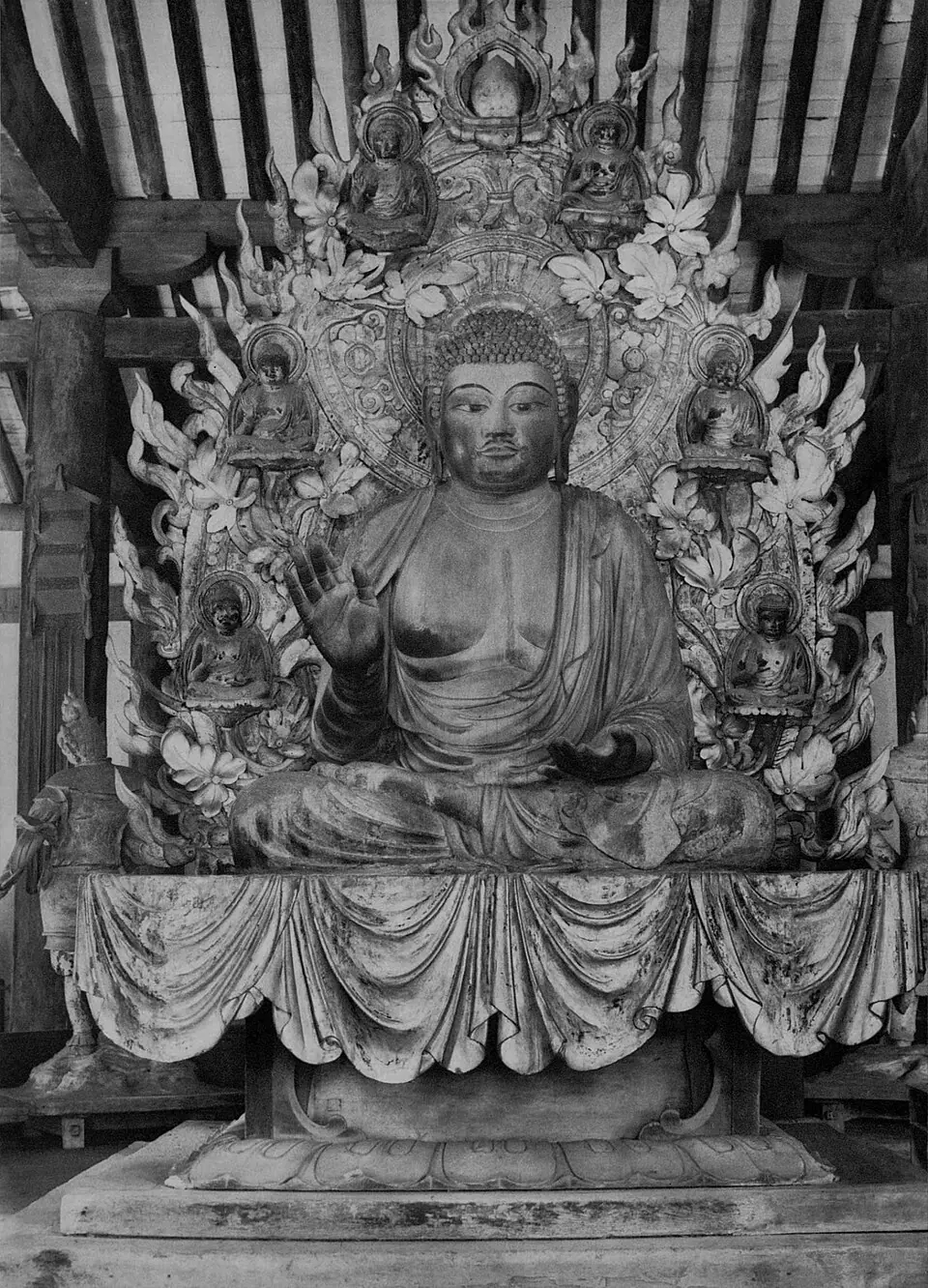
Tibetan centres often describe recitation for the sick, for the dying, across the forty-nine days after death, and for animals: these are uses of devotion and dedication of merit, not medical protocols. The sūtra presents the dhāraṇī as a spiritual protection proclaimed before the assembly (Xuanzang’s translation). For a structured session: daily practice. For the seven / eight Buddhas often invoked with the mantra: eight Medicine Buddhas.
Where the dhāraṇī sits in the sūtra
In Xuanzang’s version as read today (Taishō 450[1]), and in Yijing’s (Taishō 451), the great dhāraṇī comes after the vows and the description of the pure land. Śākyamuni tells how the Medicine Buddha, seeing beings tormented by illness, entered a concentration called “removing the suffering of all beings”. A great light came from the crown of his head, and the dhāraṇī was spoken within that light. Dharmagupta’s older version (Taishō 449[6]) does not contain this passage. In Chinese the formula is written: 南無薄伽伐帝 鞞殺社窶嚕 薜瑠璃鉢喇婆喝囉闍也 怛陀揭多邪 阿囉喝帝 三藐三勃陀邪 怛姪陀 唵 鞞殺逝 鞞殺逝 鞞殺社 三沒揭帝 莎訶. These characters were chosen for their sound, to transcribe the Sanskrit.
In Japan: three lengths, two schools
Japanese temples use several formulas for Yakushi Nyorai. They are often grouped in three lengths.
- The short mantra (小咒): “On korokoro sendari matōgi sowaka” (オン コロコロ センダリ マトウギ ソワカ). It is the best known in Japan, especially in the Shingon school. It is linked to the Sanskrit “oṃ huru huru caṇḍāli mātaṅgi svāhā”. Its exact meaning is debated, and some authors point to a possible mix-up with the formula of another deity.
- The middle mantra (中咒): in the Tendai school, “On bisei zei bisei zei bisei ja sanborigyatei sowaka”; in the Shingon school, “On baisei zei baisei zei baisei ja sanborigyatei sowaka”. It matches the Sanskrit “oṃ bhaiṣajye bhaiṣajye bhaiṣajya-samudgate svāhā”, very close to the short Tibetan mantra.
- The long mantra (大咒): the full dhāraṇī of the sūtra, from “Namo bagyabatei” (Tendai) or “Nōbō bagyabatei” (Shingon) to “sowaka”.
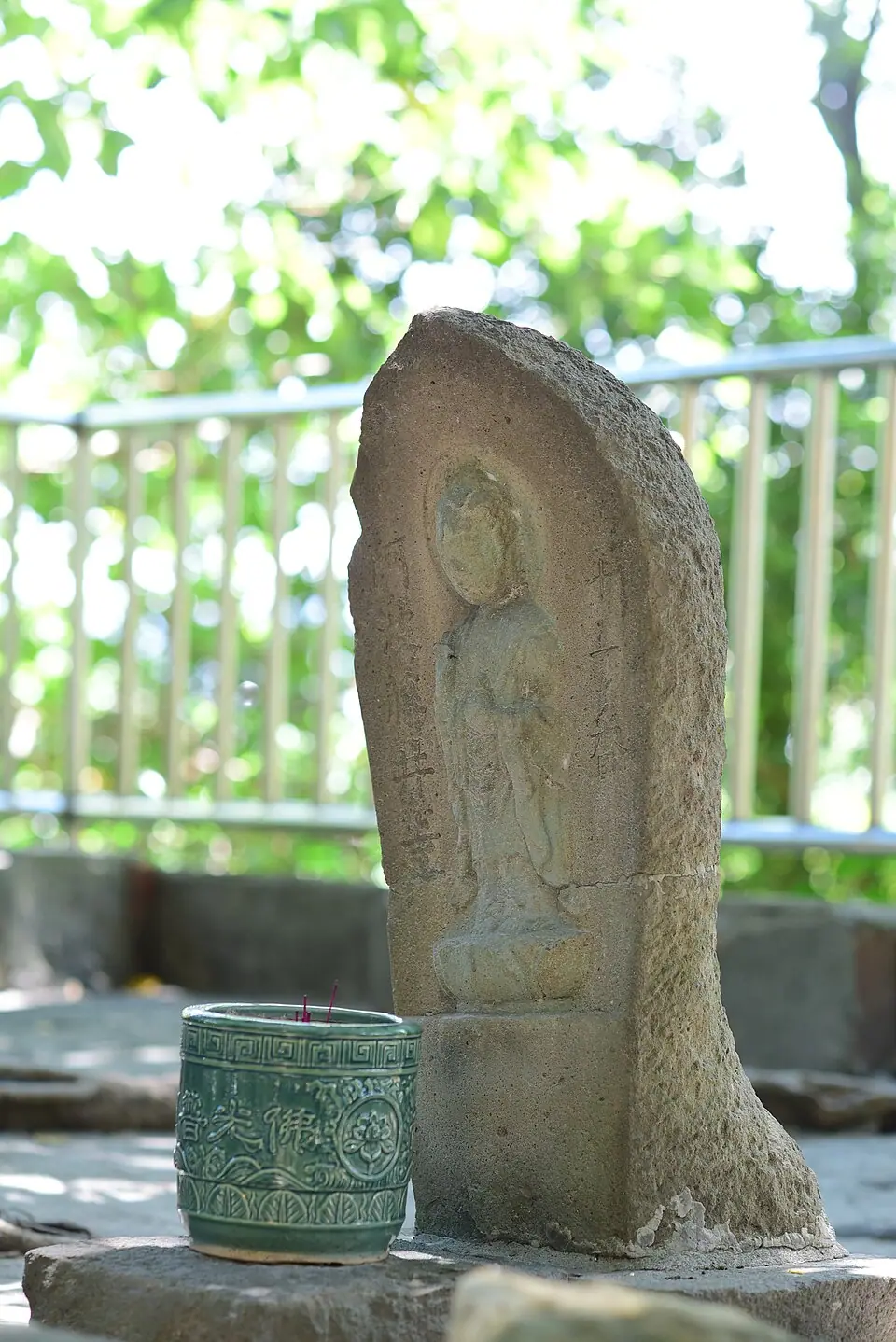
The difference between Tendai and Shingon lies mainly in how the syllables are read: “bisei” on one side, “baisei” on the other. Both schools recite the same text with two pronunciations inherited from their lineages. On Mount Hiei, home of the Tendai school, Yakushi is the main figure of the Konponchūdō.
In China, Vietnam and Korea
In Chinese temples, the dhāraṇī is often recited as the “藥師灌頂真言”, or the name “南無消災延壽藥師佛” is repeated during Medicine Buddha ceremonies. In Vietnam, reciting the name “Nam mô Dược Sư Lưu Ly Quang Như Lai” is widespread. In Korea, the name Yaksa Yeorae (약사여래) is invoked in temples, and the dhāraṇī is read in Korean editions of the sūtra. In all these countries, reciting the whole sūtra, often as a group, matters as much as the mantra.
The short, middle and long mantras in Tibet
Tibetan collections also distinguish several formulas. The short mantra begins with “tadyathā”; the long one adds the homage “namo bhagavate bhaiṣajyaguru…”. Spellings vary: “bekandze”, “bhekandze”, “bekanze”, depending on the writer’s language. None is wrong; they all note the same Sanskrit sound, bhaiṣajye.
Listen to recitations from monasteries and temples
These links lead to free public recordings offered by the monasteries or temples themselves. Lapis does not host them.
- Yakushi-ji (Nara): official videos of ceremonies — sūtra reading by the monks, including at the Shunie Hanae-shiki.
- Short Yakushi mantra, recited by a branch of the Kōyasan Daishi Kyōkai (Shingon school).
- Short mantra, chanted by the nuns and monks of Sravasti Abbey (audio file).
- FPMT: free recording of a brief Medicine Buddha practice, with Kopan monks.
Read the source text
- Sūtra of the Master of Medicine, Xuanzang’s version (Taishō 450) on CBETA.
- Yijing’s version, seven Buddhas (Taishō 451) on CBETA.
- English translation of the Tibetan version (Toh 504) by 84000.
Mantra or dhāraṇī?
The two words are often used one for the other. A mantra is usually a short formula, recited many times. A dhāraṇī, literally “what holds”, is a longer formula, often found inside a sūtra, said to hold the meaning of a teaching. In the Medicine Buddha tradition, the short Tibetan mantra is the final part of the long dhāraṇī of the sūtra.
How many repetitions?
Practitioners often count with a mala of 108 beads. Some traditions recite the mantra 7, 21 or 108 times at the end of a session; others keep a count over weeks or months. These numbers are customs, not rules, and teachers advise valuing attention over quantity. To choose a mala, see the article on malas.
Sources
- Sūtra of the Master of Medicine, Xuanzang — Taishō 450 (CBETA)
- Raoul Birnbaum, The Healing Buddha (1979/1989)
- Bhaisajyaguru — Wikipedia
- On Lapis: citations · pillar page
- Japanese Wikipedia, 薬師如来 (Tendai and Shingon mantras)
- Taishō 449 (Dharmagupta) — CBETA
In the catalogue : Music, mantras and apps
Lapis is free and has no advertising. You can support its upkeep.