Articles
Guides to the Medicine Buddha: history, symbols, names, objects and places.
Discover
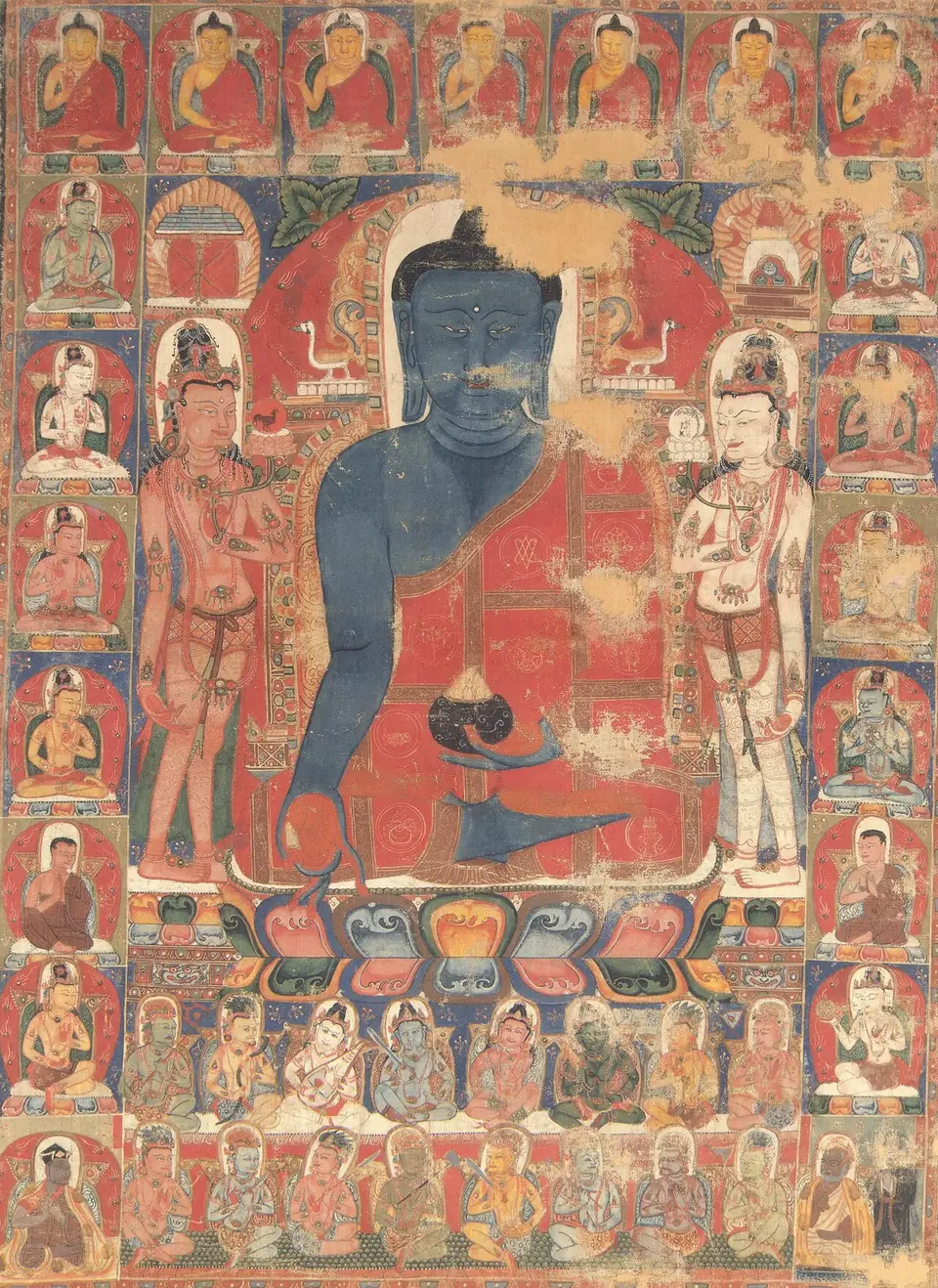 The Medicine Buddha: history and iconographyWhere the blue Buddha comes from, how to recognise him, and why each country painted him in its own way.
 Bhaiṣajyaguru, Menla, Yaoshi, Yakushi: the names by countryThe same Buddha has a different name in each language. Here is a short glossary to help you find your way.
 The Eastern pure land: Vaiḍūryanirbhāsa, the land of lapis lazuli lightBeyond worlds as many as the grains of sand in the Ganges: a land whose ground is a blue stone, and which, says the sūtra, can be reached in thought.
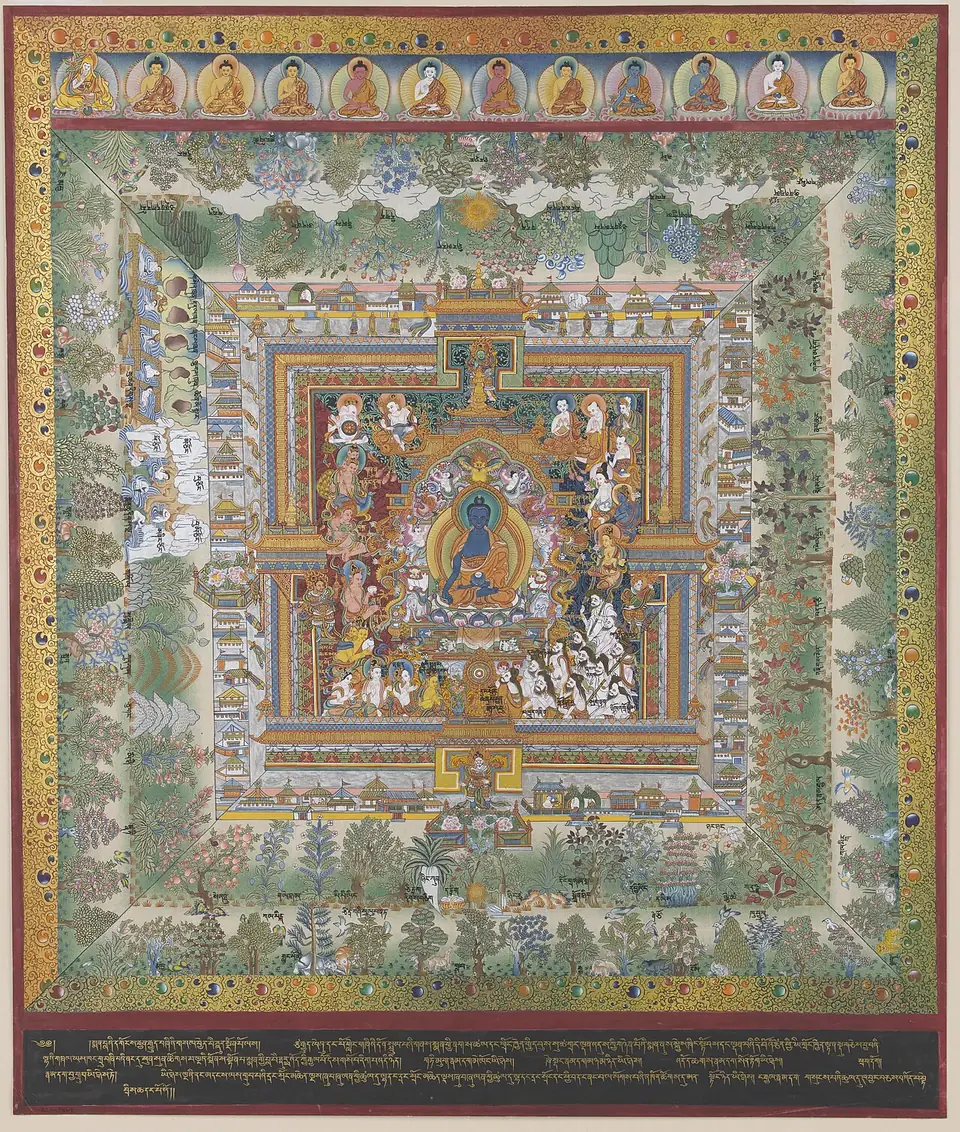 Lapis lazuli, the colour of the Medicine BuddhaA stone mined in the mountains of Afghanistan, worn by pharaohs, ground by Renaissance painters, and chosen to describe the light of a Buddha.
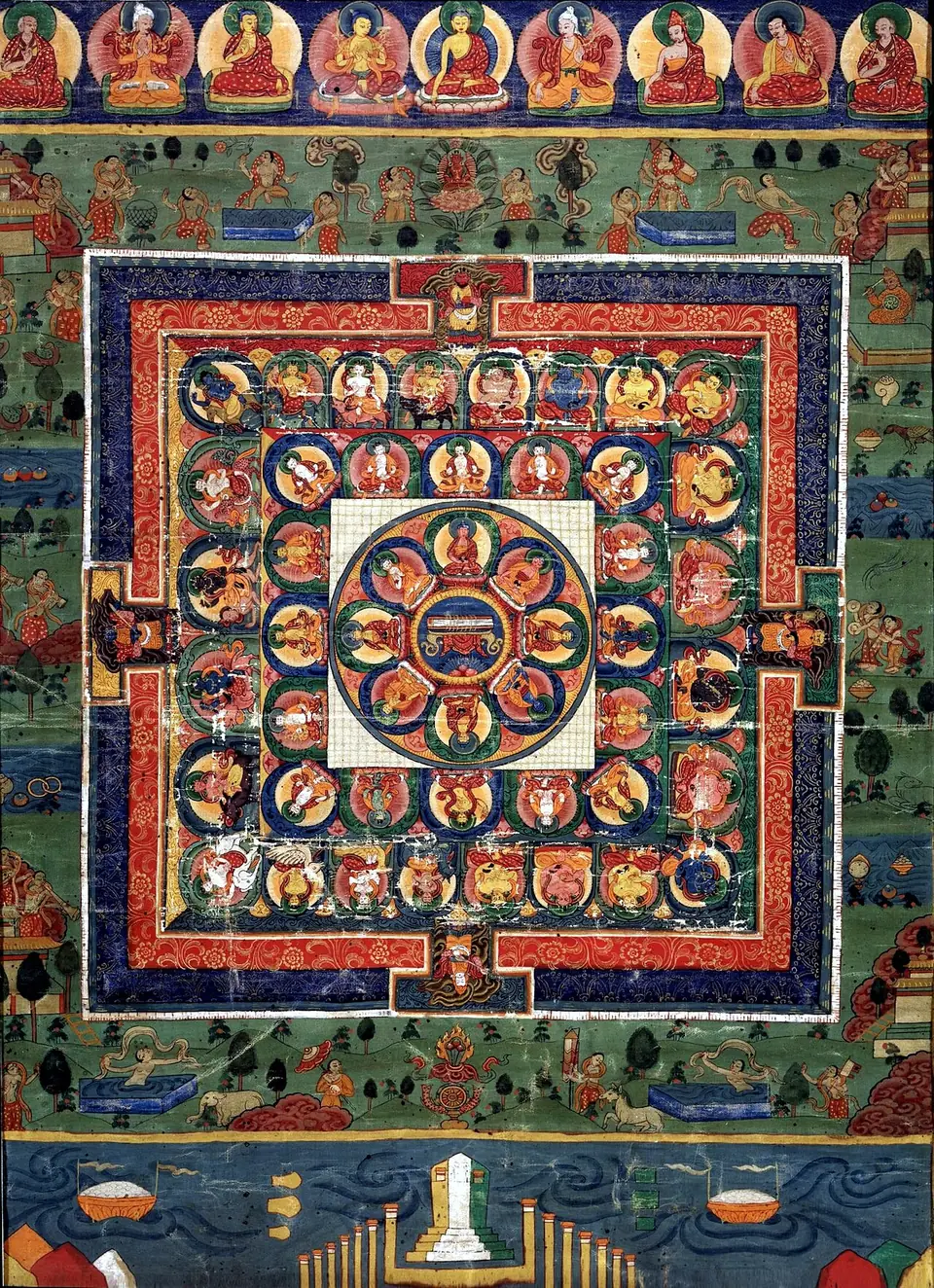 The eight Medicine Buddhas: seven brothers and a masterWhy thangkas show eight Buddhas, who the other seven are, and how practitioners call on them.
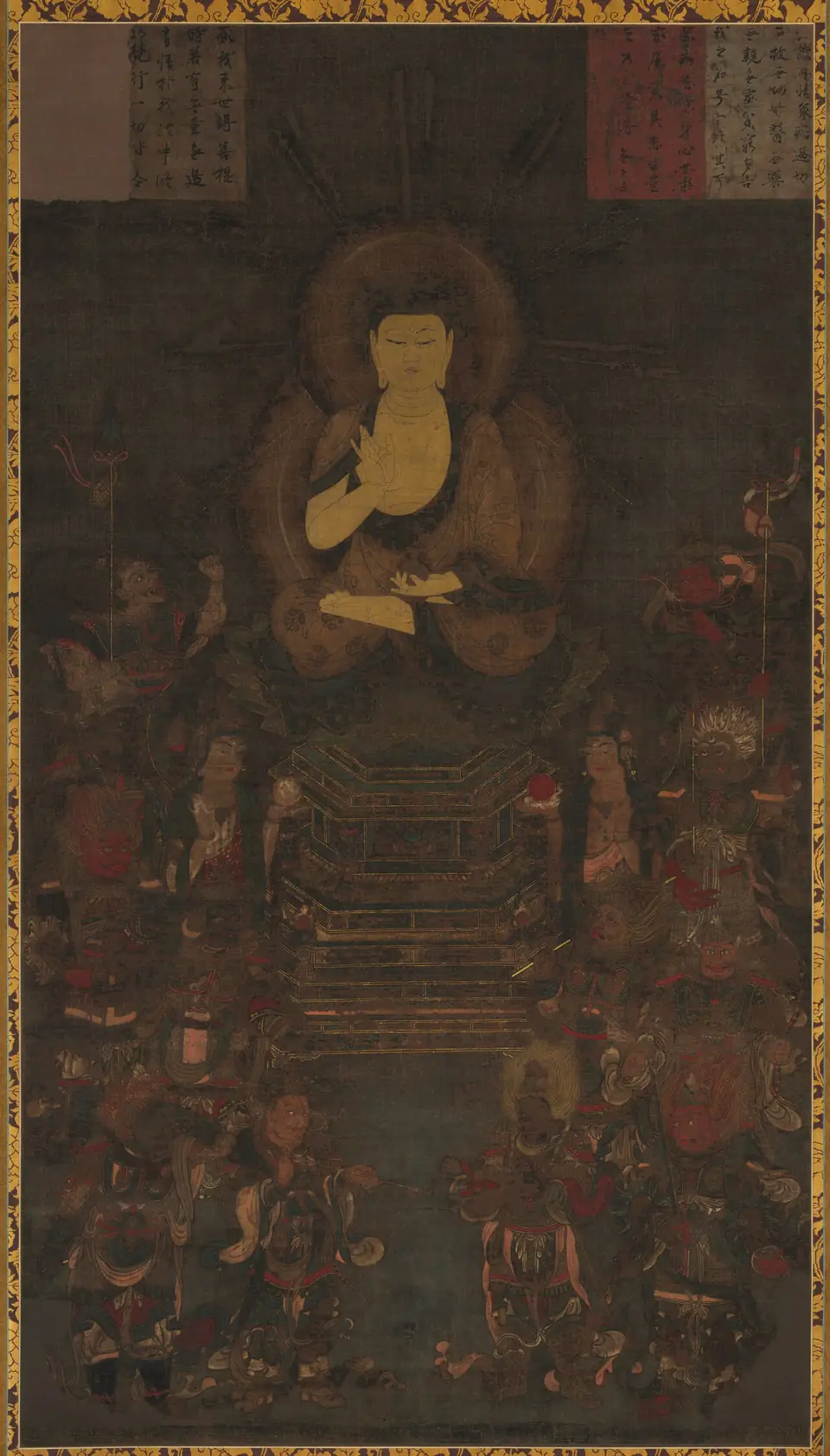 Symbols and legends: the bowl, the myrobalan, the sun, the moon and the twelve generalsEvery detail of a Medicine Buddha image tells a story. This small decoder helps you read the symbols.
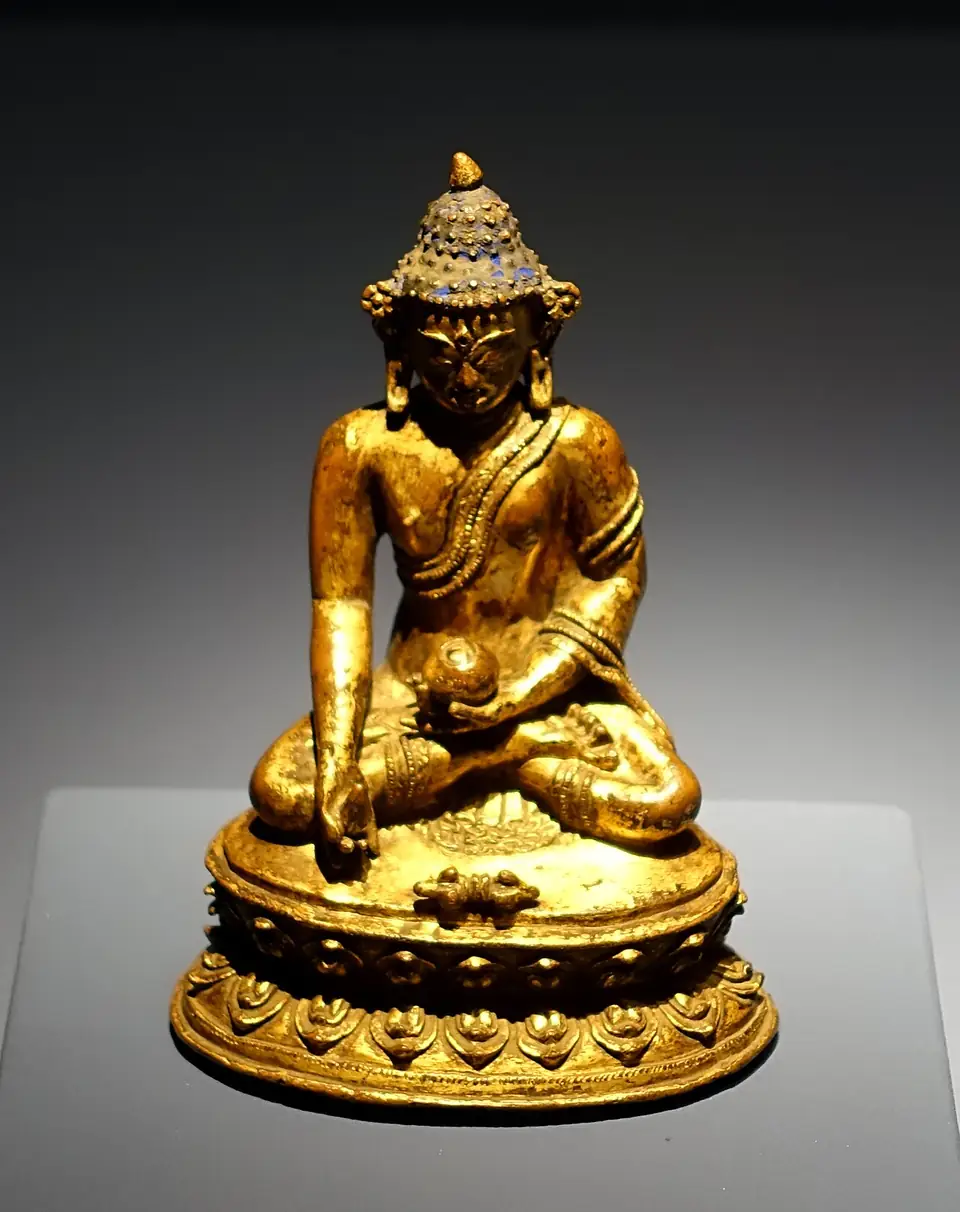 Bhaiṣajyaguru, Bhaiṣajyarāja, Dhanvantari: not to be confusedThree similar names, three different figures: a short guide to telling them apart.The twelve generals: the army that guards the Medicine BuddhaTwelve celestial commanders, each leading seven thousand spirits: who are they, and why were they linked to the twelve zodiac animals?
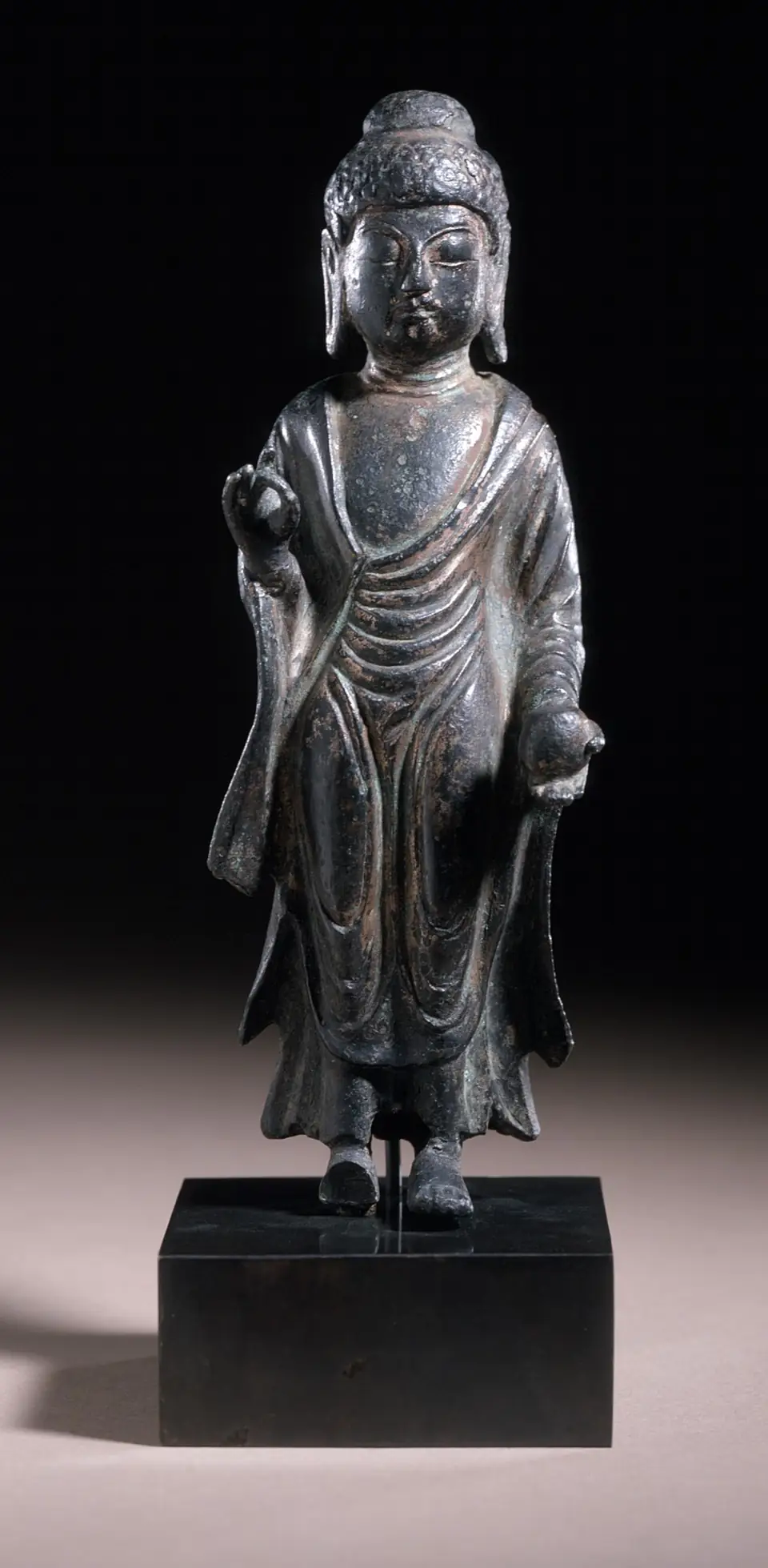
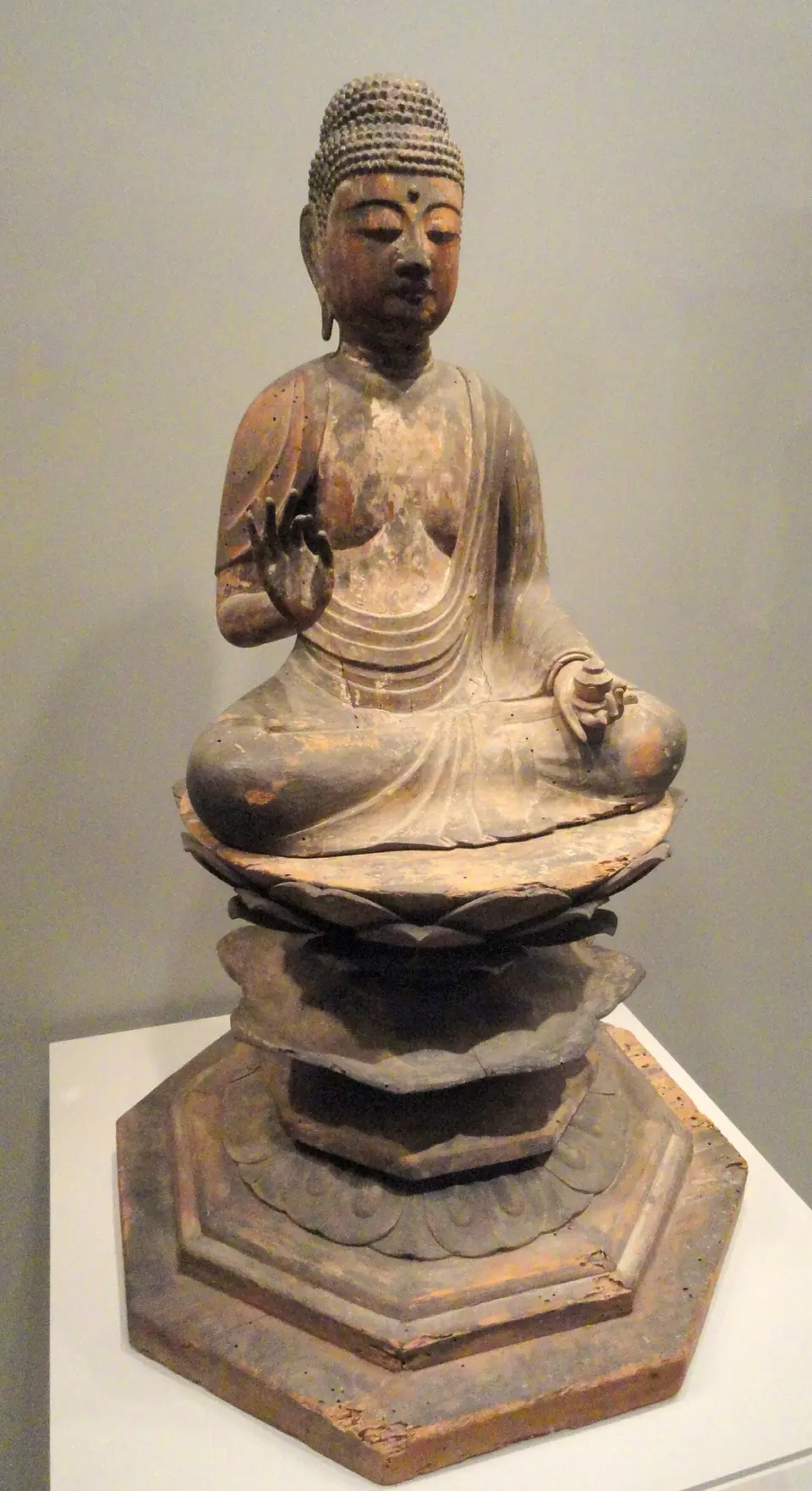 Medicine Buddha mudra and what he holds: bowl, myrobalan, medicine jarHis hand gestures (mudrā) and objects change from Tibet to Japan: the bowl, the myrobalan fruit, the medicine jar, the staff. A sourced guide to reading a statue.
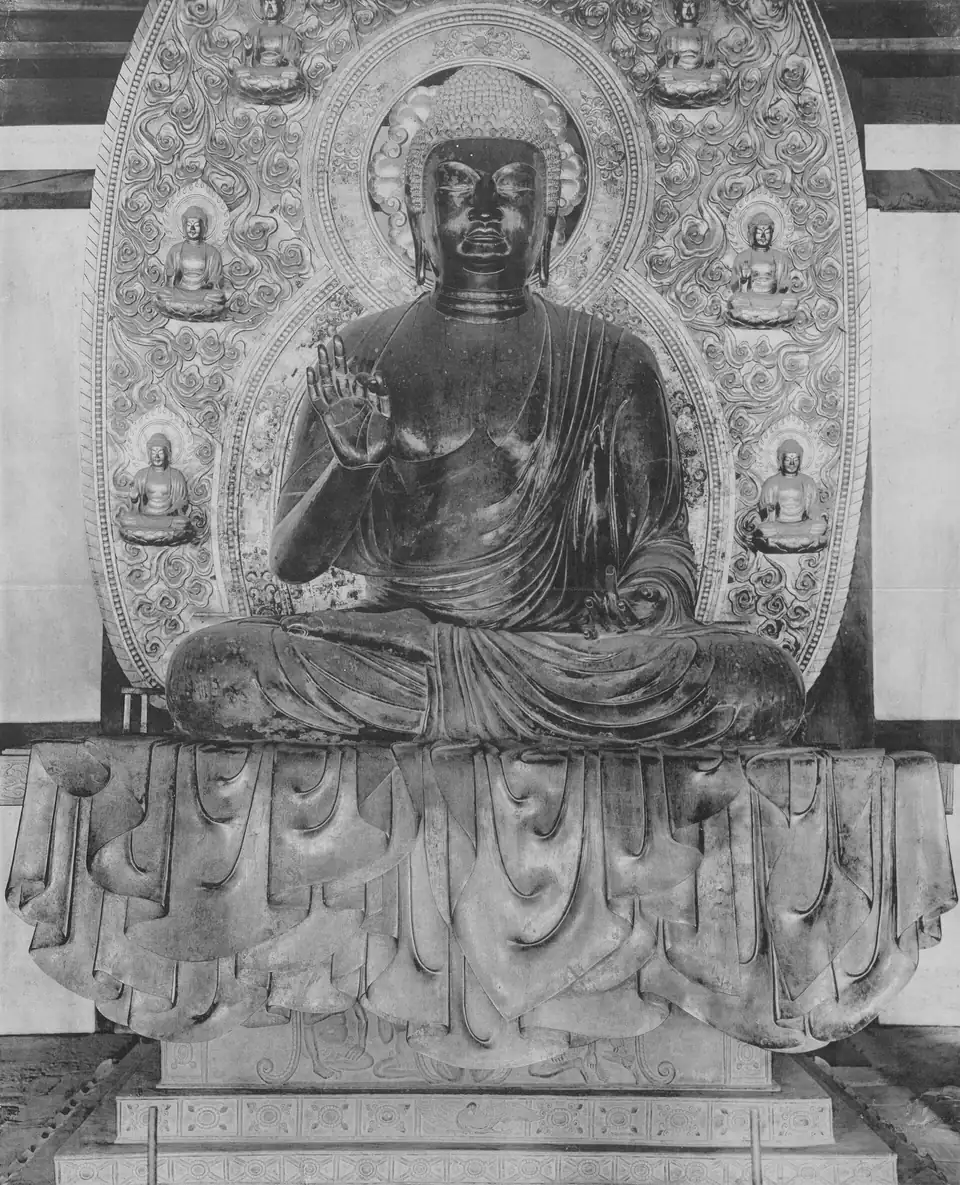 Sunlight and Moonlight: the two bodhisattvas beside the Medicine BuddhaSūryaprabha and Candraprabha, called Nikkō and Gakkō in Japan: who they are in the sūtra, how to recognise them, and where to see the famous triad of Yakushi-ji.
Texts and history
The Medicine Buddha Sūtra: the story of a travelling textA birch-bark manuscript, a pilgrim monk, a visiting translator: how a sūtra probably born in northern India or Central Asia became one of the most read texts of East Asia.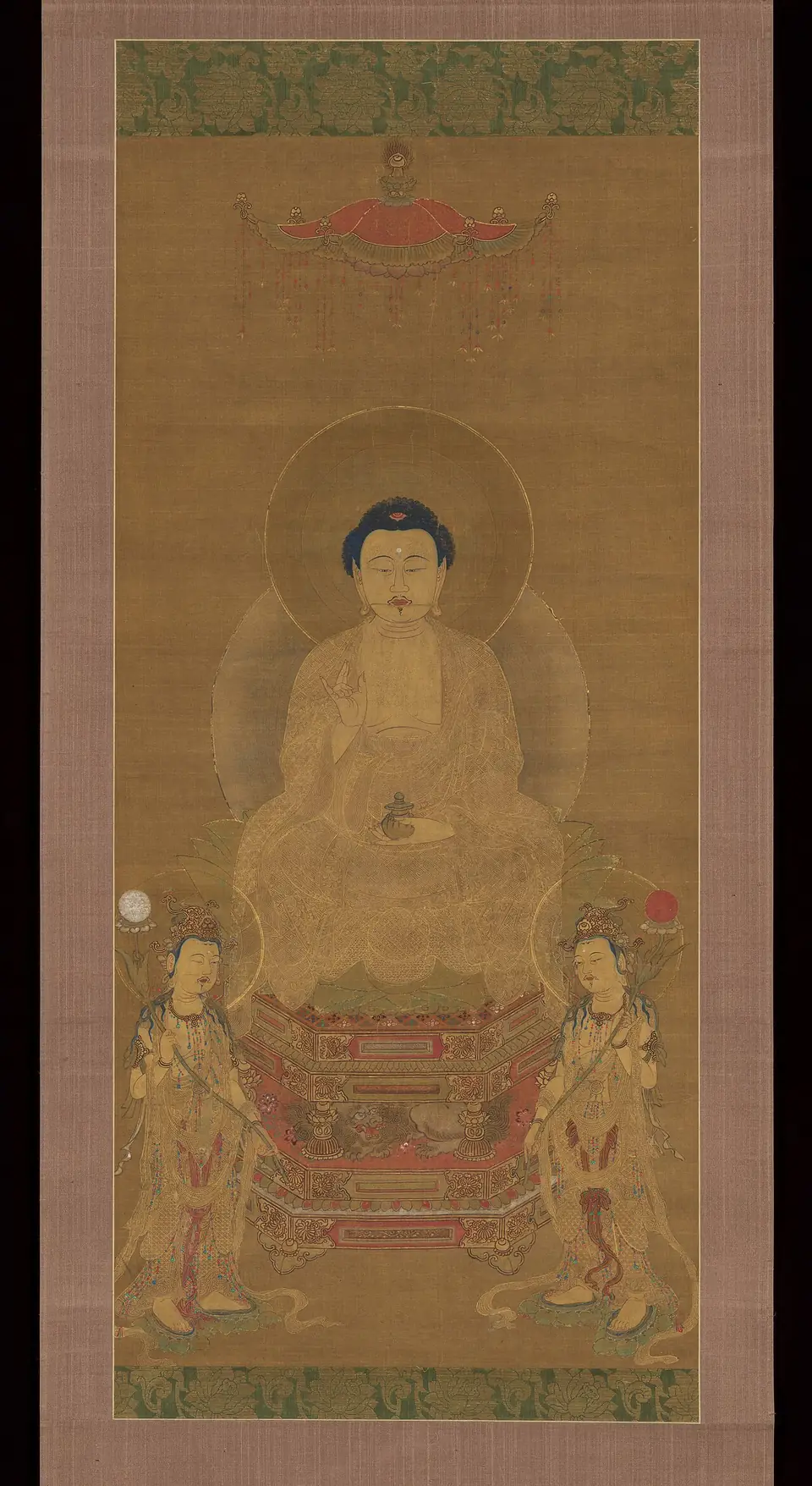 The twelve vows of the Medicine Buddha, one by oneTwelve promises made before Awakening: light, wisdom, justice, food, clothing… The vows as presented in Xuanzang’s translation.The twelve vows and the seven Medicine BuddhasBefore becoming a Buddha, he made twelve promises. You will find a summary here, then links to the detailed chapters.The story of the sūtra: Mañjuśrī, the Rescuer and the twelve generalsWhat the best-known text on the Medicine Buddha tells, scene by scene.Gilgit, 1931: the day the Sanskrit sūtra turned upBirch-bark manuscripts hidden in a mound in northern Pakistan gave the world the oldest known Sanskrit version of the Medicine Buddha Sūtra.The Medicine Buddha on one timeline: a sourced chronologyFifteen landmarks from the sixth century to today, with what is certain and what is not.From India to Vietnam: the journey of the Medicine BuddhaA figure who changes name, colour and role at each stage: India, Tibet, China, Korea, Japan, Vietnam and Southeast Asia.
Art, temples and countries
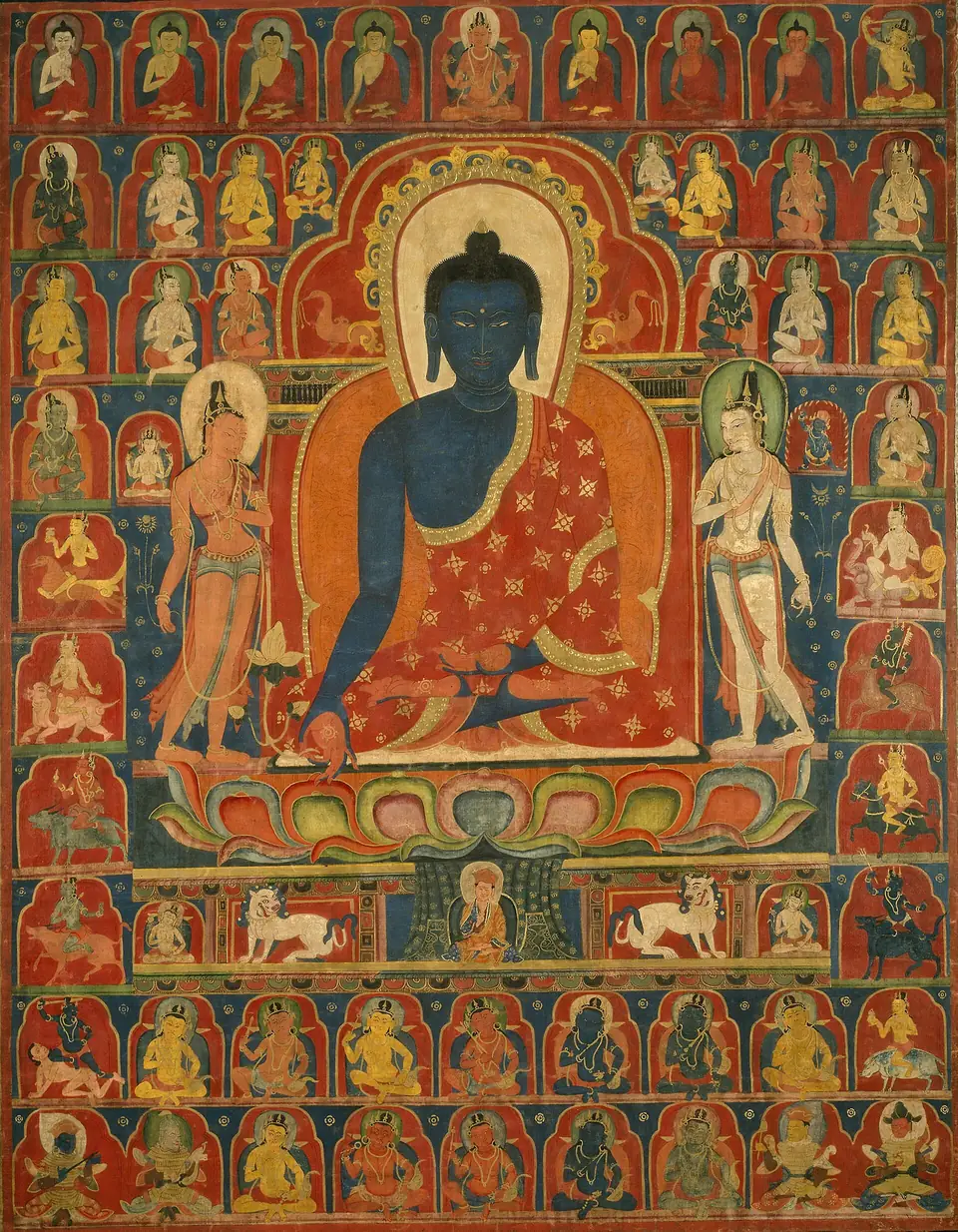
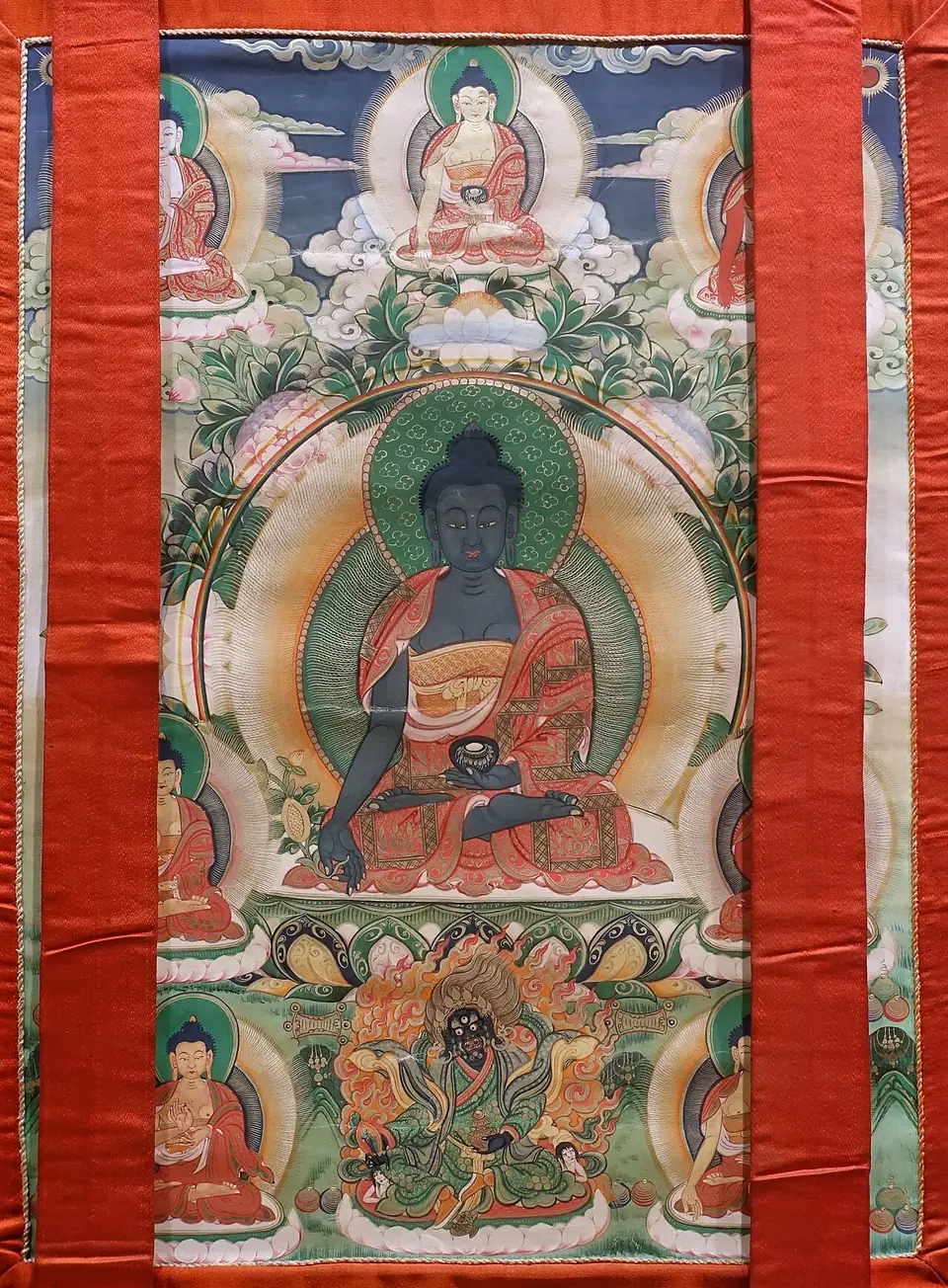 The Medicine Buddha thangka: how the lapis-lazuli blue is paintedCodified measurements, stone pigments, the gaze painted last: the secrets of a painting that is as much a book as a picture.Yakushi-ji: the temple born of a vow to heal an empressIn 680 an emperor vows to build a temple. Thirteen centuries later, a pagoda from 730 still stands in Nara.
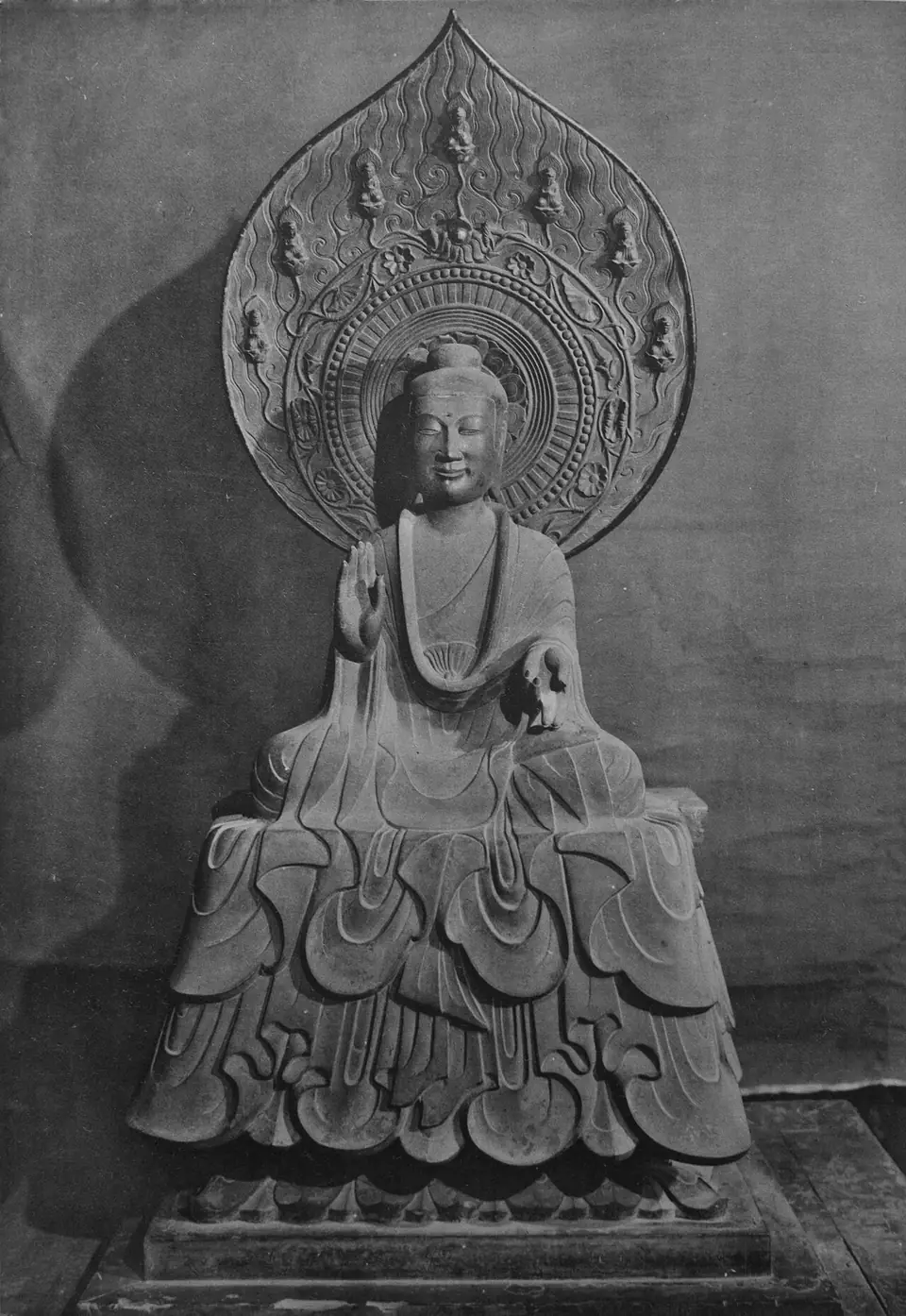 Yakushi temples in Japan: Nara, Kyoto, Mount HieiFrom the temple founded to heal an empress to a flame said to have burned for twelve hundred years.Shin-Yakushi-ji: eleven clay generals standing guard for more than a thousand yearsIn Nara, Japan’s oldest set of the twelve generals is made of raw clay, and one of them had to be replaced.Hōryū-ji: the Yakushi inscription that tells of a vow made in 586A sick emperor, a promise, a sister and a son who fulfil it: the inscription on the halo of the Hōryū-ji Yakushi is one of Japan’s best known, and one of its most debated.Khara-Khoto: a blue Buddha from the desert, kept in Saint PetersburgAn abandoned Tangut city in the sands of Inner Mongolia, a Russian explorer in 1908, and a painting of the Medicine Buddha that has hardly been touched since.Angkor: the king who built one hundred and two hospitals under the gaze of the Medicine BuddhaIn 1186 a stone stele records a network of royal hospitals across the Khmer empire, placed under the protection of Bhaiṣajyaguru.Korea: Yaksa Yeorae, a Buddha serving the kingdom of SillaIn ancient Korea the Medicine Buddha was not only a figure of personal piety: he was also invoked for the safety of the kingdom.Mongolia: Otoch Manal and the monastery medical schoolsOn the steppe the Medicine Buddha has a name in Mongolian, and monasteries had their own medical colleges.
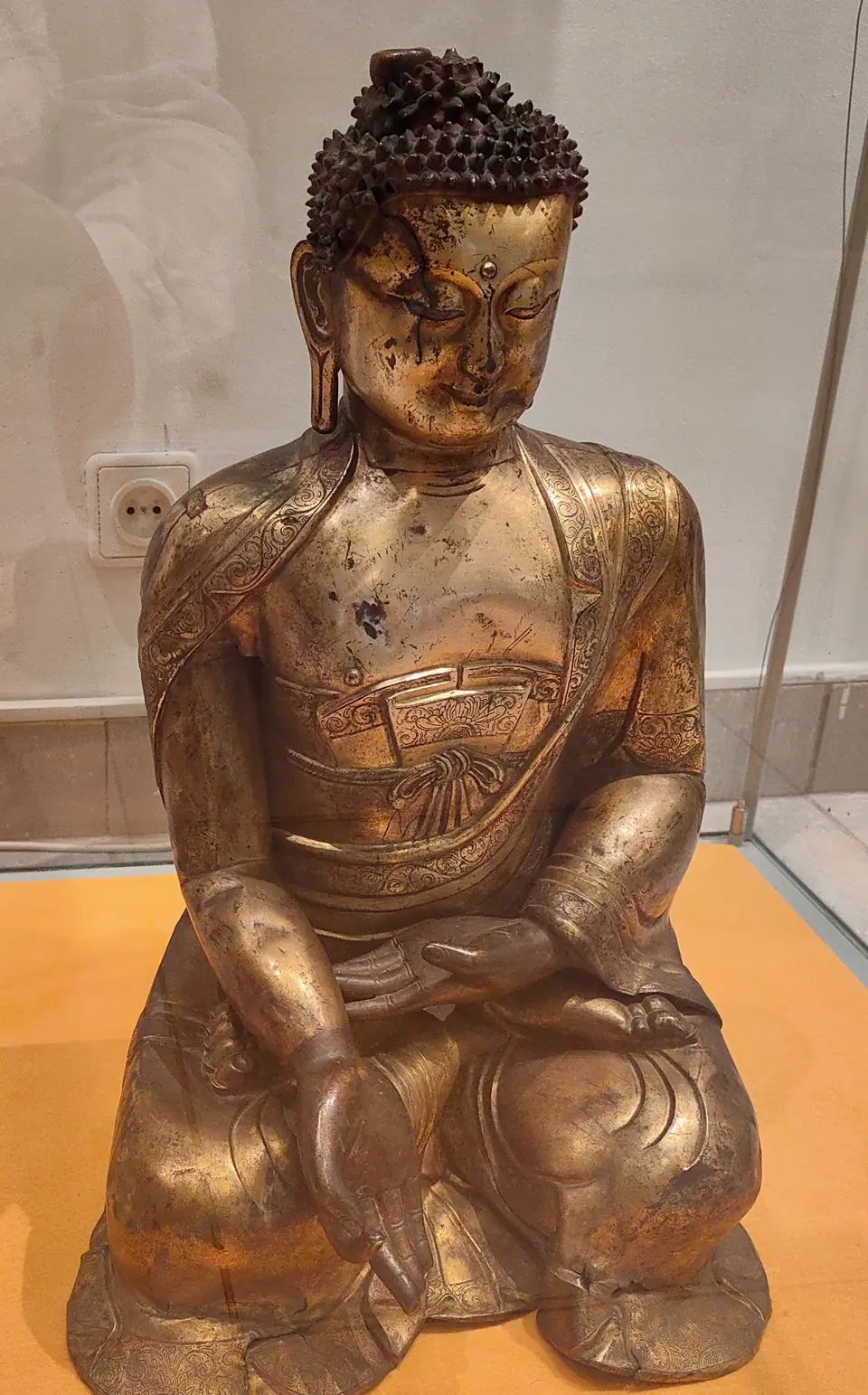 Zanabazar and his school: the Medicine Buddha in Mongolian bronzeMonk, sculptor and inventor of a script, Zanabazar gave Mongolia a recognisable bronze style, in which Otoch Manla has his place.
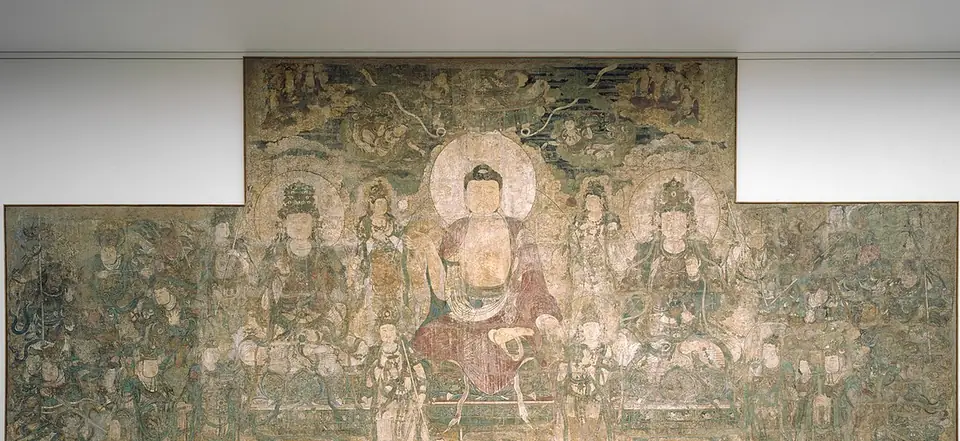
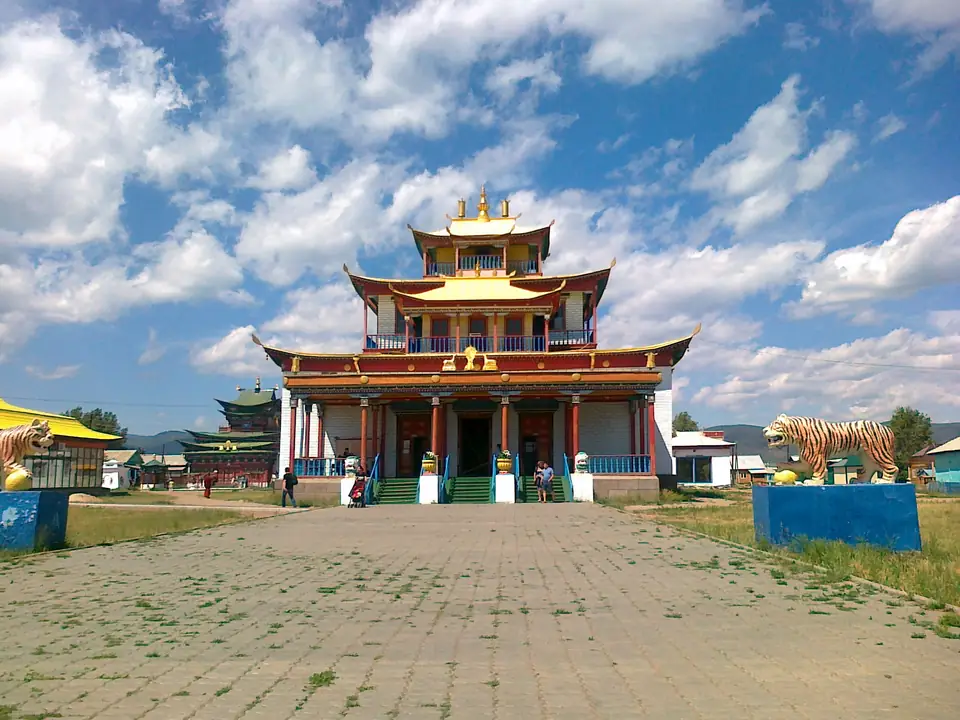 Buddhist Russia: Buryatia, Kalmykia and TuvaThree Russian republics with a Buddhist tradition, linked to the Mongolian and Tibetan world; in Buryatia the Medicine Buddha is called Otosho.Yaoshi Fo in the Chinese world: caves, museums and templesFrom Dunhuang to Taipei and Hong Kong, the Medicine Buddha, 藥師佛 Yàoshīfó, can be followed through translated sutras, wall paintings and temples that are still active.Where to see the Medicine Buddha in museums around the worldChicago, New York, Cleveland, Stuttgart, Saint Petersburg, Chengdu: a short tour of the works reproduced on this site, and where you can see them.
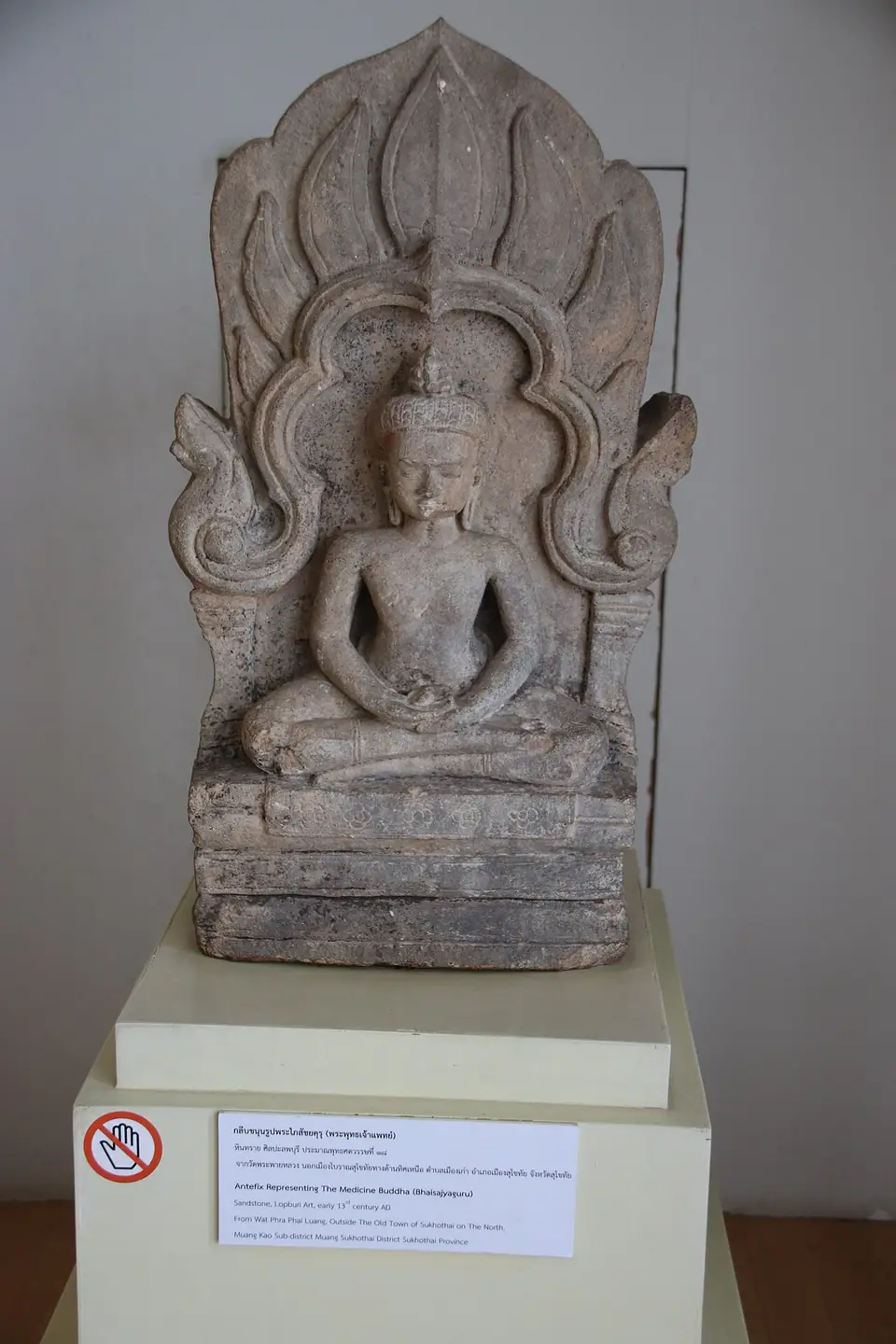 Phra Kring: the Thai Medicine Buddha with a bead insidePhra Kring are small metal Buddhas made in Thailand, seen as images of the Medicine Buddha (Phra Phaisatchayakhuru). Their form, their history from Phra Kring Pawaret to Wat Suthat, and what to know before buying one.
Tibetan medicine
The Four Tantras: when the Medicine Buddha teaches in the city of TanadukA founding book of Tibetan medicine, a city in the sky, a manuscript hidden in a pillar: the legend and the history of how the Four Tantras came to be.The Blue Beryl: the regent who had medicine paintedA regent of Tibet, a commentary in 1688 and seventy-nine large paintings: how Tibetan medicine was put into images, with the Medicine Buddha at the head.Chakpori and Men-Tsee-Khang: three centuries of Tibetan medical collegesFrom the Lhasa hill to Dharamsala, the story of the places where the medicine of the Medicine Buddha was taught.Sorig in a few words: a short lexicon of Tibetan medicineSowa rigpa, rlung, tripa, béken: the words to know before you read a book or visit an institute.Spiritual health and medicine: what the Medicine Buddha promises, and what he does notThe Buddha as “great physician”, the three poisons, Buddhist hospitals: what the texts say, and what they do not promise.Traditional Mongolian medicine: a cultural historyFrom monastery medical colleges to today’s hospitals: how Otoch Manla became the patron of a learned tradition.Practice and objects
Medicine Buddha mantra: Sanskrit text, meaning and useA phrase of a few words, recited for more than a thousand years: here is what each of its words means.Practising the Medicine Buddha at home: a simple outlineFrom refuge to dedication: what you can do at home with a mala and ten quiet minutes.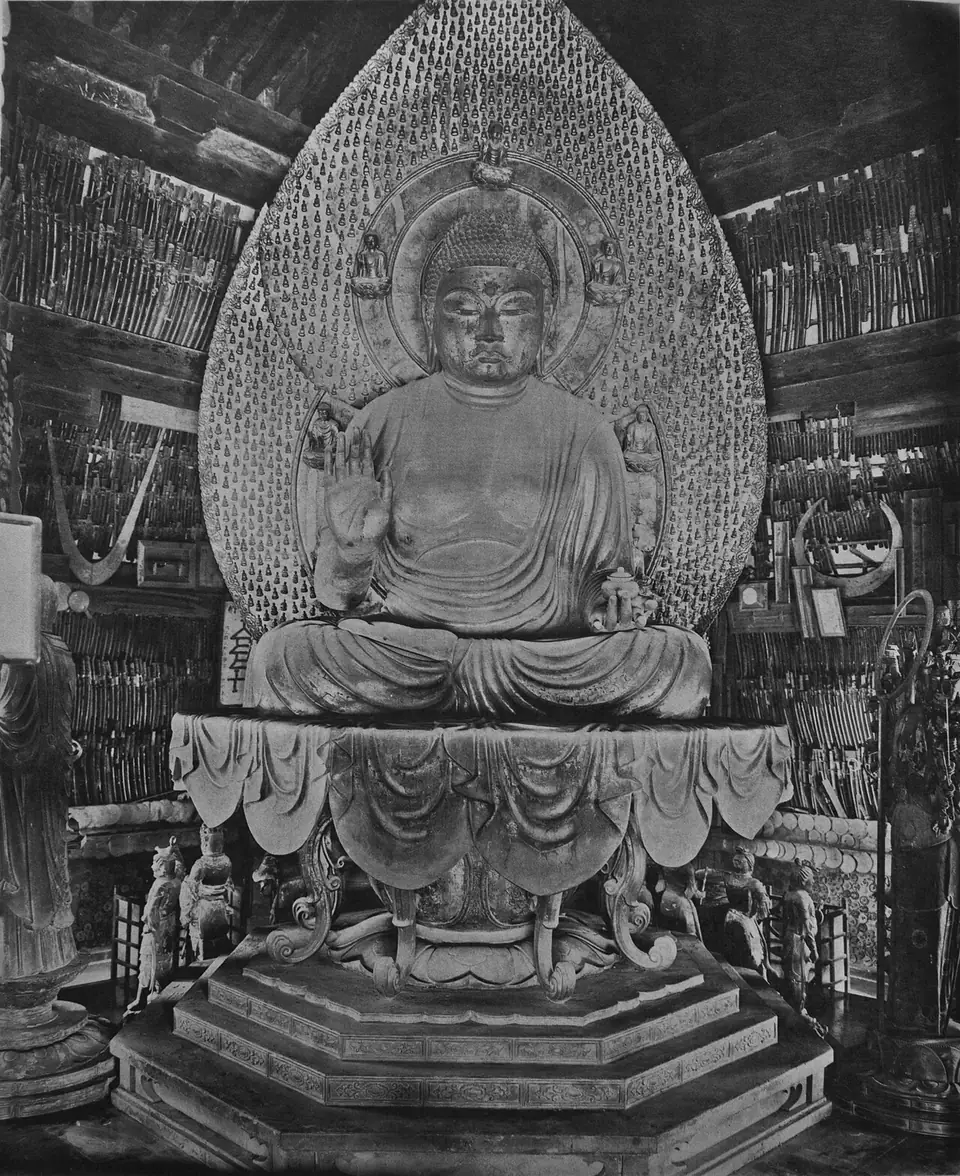 The Medicine Buddha calendar: the 8th, the 30th of the ninth month, and other datesDepending on the country, the Medicine Buddha has his own day in the week, the lunar month or the year: here are the dates to note.Medicine Buddha objects: what are they for?Statue, thangka, mala, bowl, lamp, incense: the role of each object in a tradition.Setting up a simple, respectful altarPlace, objects, offerings: common customs for welcoming an image of the Medicine Buddha at home.How to choose a Medicine Buddha statueMaterials, size, finish, iconography: what to check before buying a statue.How to choose a thangkaHand-painted or printed, pigments, gold, brocade mounting: understanding what you buy.How to choose a mala: bead count, materials, lapis lazuli108 beads or a wrist mala, wood, seeds or stone, counters, real lapis or imitation: a sourced guide to choosing a mala.