Traditional Mongolian medicine: a cultural history
From monastery medical colleges to today’s hospitals: how Otoch Manla became the patron of a learned tradition.
This article tells a history; it says nothing about whether any remedy works. For your health, see a doctor.
The Manba Datsans
“Manba” means doctor in Tibetan; “datsan” is a monastic college. According to Manba Datsan in Ulaanbaatar, more than 250 colleges once trained doctors, with degrees such as manramba, on the basis of the Four Tantras.
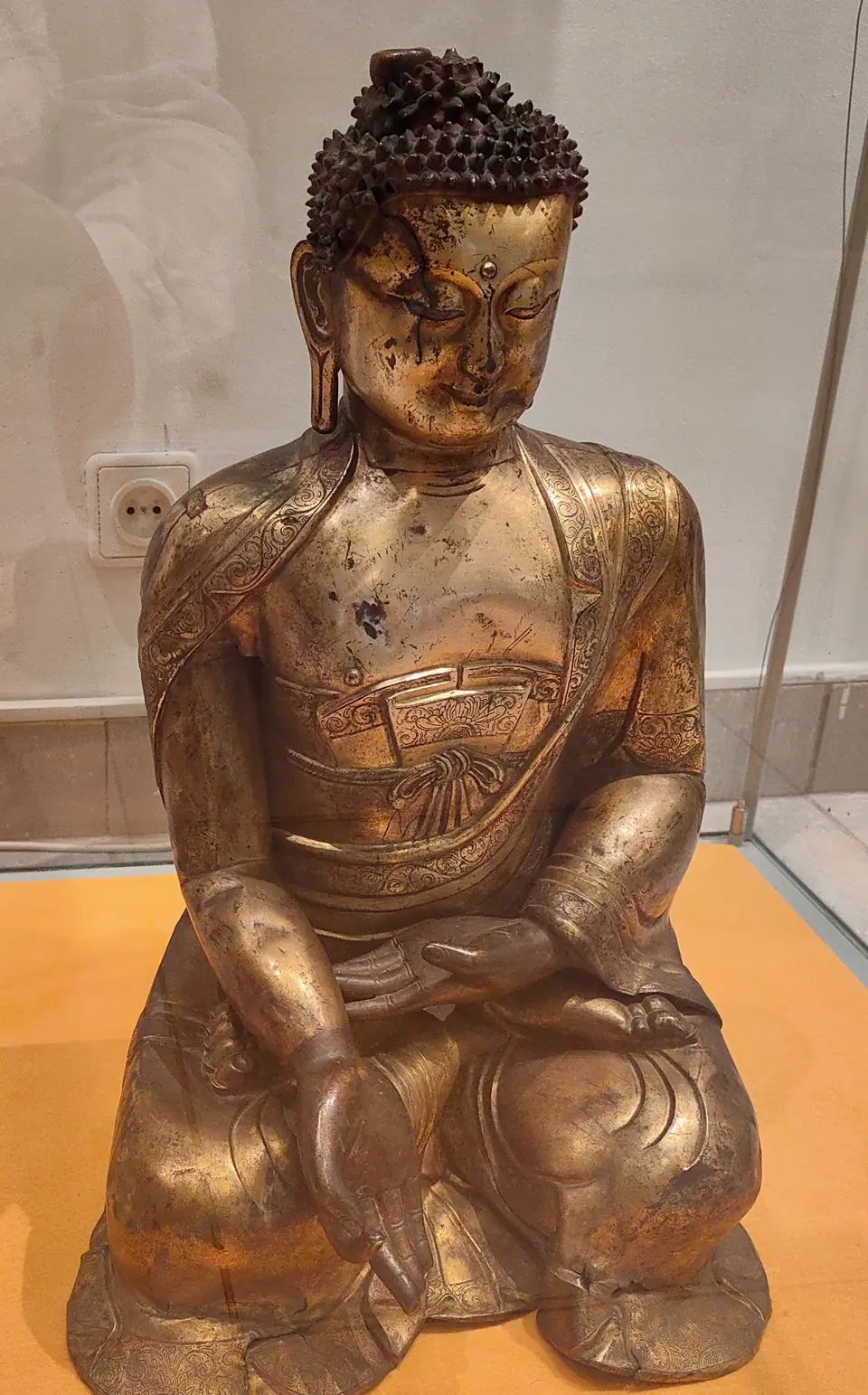
A patron: Otoch Manla
In these colleges the main deity is Otoch Manla, the Medicine Buddha. On the 8th day of each lunar month the Ikh Manla service is still recited.
Break and revival
In the 1930s most monasteries were closed or destroyed. In 1990 Khamba Lama D. Natsagdorj re-established Manba Datsan, whose history goes back to the 1760s, together with a school, a hospital and a remedy workshop.
Uncertainties
The exact number of colleges varies by period and source; monasteries’ accounts of their own history are not independent studies.
Sources
- Manba Datsan, monastery.manbadatsan.mn
- Manba Datsan, natsagdorj.manbadatsan.mn
- Wikipedia, Traditional Mongolian medicine
- PMC, “History of traditional Mongolian medical education based on Manba Datsan: a literature review”
Lapis is free and has no advertising. You can support its upkeep.